
Why Grocery Store Tourism Is the New Must Do Travel Trend

Updated: 18 hours ago
The best meal of a trip might not come with a reservation, a tasting menu, or a waiter explaining the specials. It might come from a plastic basket, a fluorescent aisle, and a snack packet you picked because the packaging made you curious.
That is the charm of grocery store tourism, the travel habit taking over social feeds one convenience-store haul at a time. Travellers are filming themselves wandering through local supermarkets, corner shops, night marts, family-run provision stores, and 7-Elevens. They then turn their finds into hotel-room meals, picnic spreads, and taste tests.
It sounds simple because it is. That is part of the appeal.
A supermarket in Tokyo, a 7-Eleven in Bangkok, a corner shop in London, a local market in Seoul, or a neighbourhood store in Goa can reveal what people actually eat when nobody is performing for tourists. The shelves show everyday cravings, childhood snacks, seasonal fruits, local breakfast habits, ready meals, festival sweets, and tiny food trends that never make it to restaurant menus.
And for travellers who want something affordable, low-pressure, and genuinely local, Grocery Stores have become the new unofficial food tour.
Dishes in this image: Wide-angle view of a traveller browsing snacks in a brightly lit convenience store aisle
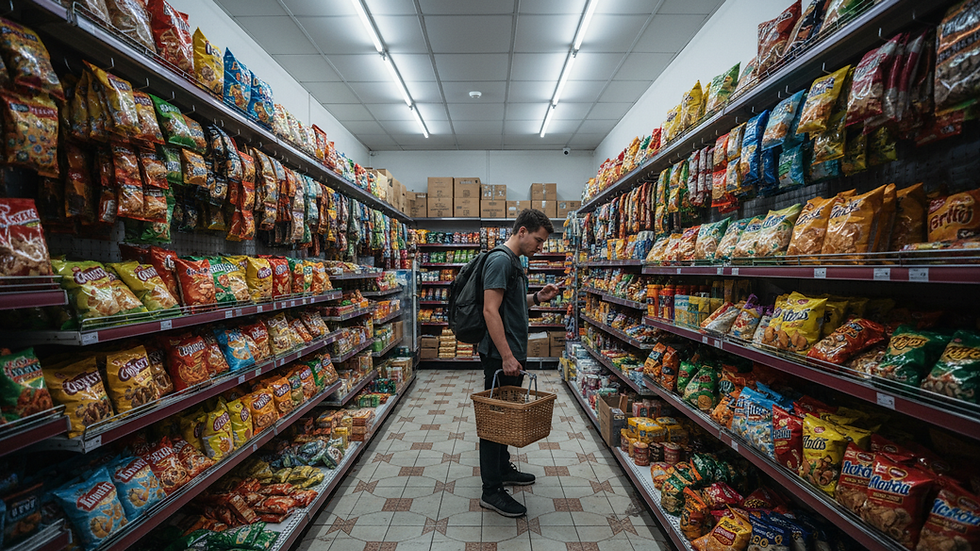
Image shows: Wide-angle view of a traveller browsing snacks in a brightly lit convenience store aisle.
Why Travellers Are Swapping Restaurant Queues for Supermarket Aisles
Restaurant culture is still a huge part of travel, of course. Nobody is suggesting skipping ramen in Japan, dosa in Bengaluru, pasta in Rome, or nasi lemak in Kuala Lumpur. But supermarket tourism scratches a different itch.
It feels spontaneous. You do not need a booking. You do not need to decode a long menu while a server waits. You do not need to spend a large chunk of your budget on a meal that may or may not hit the spot after a tiring day.
You just walk in and explore.
That makes it perfect for the way people travel now. Many trips are built around smaller moments, not only major landmarks. A traveller might visit a museum in the morning, take a neighbourhood walk in the afternoon, then end the day eating convenience-store dumplings, a local yoghurt drink, and some mystery crisps on a hotel bed. It is not polished, but it often feels more memorable than a formal dinner.
Social media has made this even bigger. Short videos love discovery, and grocery stores are full of it. Every aisle has a reveal.
A creator opens an unfamiliar ice cream flavour. Someone compares five types of instant noodles from a Korean mart. A traveller in Japan builds a full meal from 7-Eleven, complete with onigiri, egg sandwiches, fried chicken, matcha dessert, and canned coffee. Another person in Europe films the joy of finding a wall of cheeses, fresh bread, tiny desserts, and local sparkling drinks for a park picnic.
These videos work because the stakes are low and the curiosity is high. The viewer thinks, “I would try that.” Then, on their next trip, they do.
The trend also suits solo travellers. Eating alone at a restaurant can feel awkward for some people, especially in an unfamiliar place. A supermarket meal removes that pressure. It lets you eat on a bench, by a river, in a hostel common room, or back in your room while wearing the most comfortable clothes you packed.
For families, it solves practical problems. Children may not want another long sit-down dinner. Someone may be vegetarian, someone may want fruit, someone may need a quick breakfast before an early train. Local stores offer flexible, low-cost choices without turning every meal into a negotiation.
A Local Shop Can Tell You More Than a Guidebook
One of the nicest things about grocery store tourism is how ordinary it is. That sounds like faint praise, but it is the whole point.
Tourist areas often show a curated version of a place. Grocery aisles show the daily version. You see what people buy before work, after school, during festivals, and on lazy evenings.
Look at the breakfast section. In some places, you will find rows of sweet buns and bottled coffees. Somewhere else, you may find savoury pastries, fermented foods, fresh cut fruit, porridge cups, or idli batter. The snack aisle tells its own story too. Flavours are local, playful, and sometimes surprising: seaweed, masala, cheese, truffle, honey butter, roasted corn, chilli crab, mango, wasabi, tamarind, or salted egg.
Even the ready-to-eat shelves can be revealing. In Japan, convenience stores are famous among travellers because the quality and variety can be impressive. In Thailand, 7-Elevens have become a social media favourite for toasted sandwiches, bottled teas, microwave meals, and unusual desserts. In South Korea, creators often film convenience-store noodle combinations, triangle kimbap, banana milk, and ice cream bars. In many European cities, supermarkets make it easy to build a picnic with bread, cheese, fruit, olives, and chocolate.
In India, the habit feels familiar in a different way. We already know the joy of stopping at a local bakery for puffs, grabbing regional chips, buying sweets by weight, or picking up a cold drink from a corner shop during a road trip. Grocery store tourism simply takes that instinct abroad and gives it a travel trend name.
A restaurant may show you what a place serves to visitors. A neighbourhood shop often shows you what locals reach for on a normal Tuesday.
That is why wandering through these stores can feel intimate. You notice the size of milk cartons, the local biscuit brands, the flavours of instant soup, the fruits in season, the tea people drink, and the sweets placed near the checkout. None of it screams “attraction”, but together it builds a picture of daily life.
Dishes in this image: Close-up of a basket filled with local snacks, fruit, bottled drinks, and bakery items
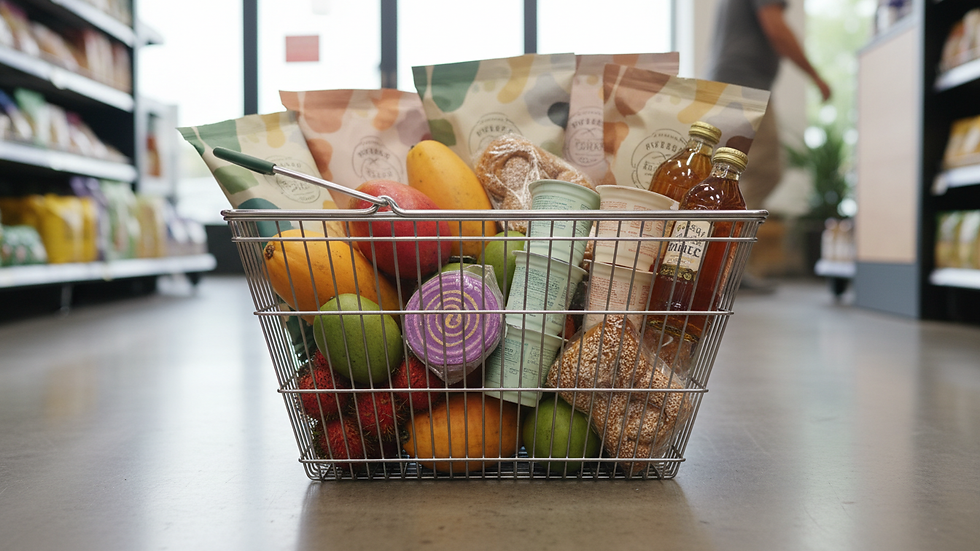
Image shows: Close-up of a basket filled with local snacks, fruit, bottled drinks, and bakery items.
The Social Media Stories That Made Supermarket Meals Cool
The viral version of this trend usually starts with a sentence like, “Come with me to see what I can eat from a convenience store in…” Then the creator walks through automatic doors and suddenly a simple errand becomes a mini adventure.
One familiar story comes from travel creators visiting Japan for the first time. Many arrive knowing that Japanese convenience stores are loved by tourists, but the surprise still lands. They film themselves picking up an egg sandwich because everyone online told them to try it, then they add onigiri, fried chicken, a dessert cup, and a hot canned coffee. The final scene is usually a hotel-room tasting, complete with genuine shock that a convenience-store meal can feel so complete.
Another common social media moment happens in Thailand. Travellers film the 7-Eleven toastie ritual: choose a sandwich, hand it over, wait for it to be heated, then eat it outside while the wrapper is still warm. It is simple, cheap, and oddly satisfying. The comments under these videos often fill up with people sharing their own favourite fillings or insisting that a particular drink must go with it.
In South Korea, convenience-store food has become almost interactive online. Creators mix ramen with cheese, sausages, rice balls, kimchi, and sauces to build custom meals at the store itself. Some shops have seating, microwaves, hot water, and bins, which turns the whole thing into a casual dining setup. The video format is perfect: choose, assemble, taste, rate.
Then there are the quieter influencer stories, the ones that feel less like a challenge and more like a travel diary. A food creator in Italy builds a picnic from a small supermarket: focaccia, tomatoes, fruit, soft cheese, and a local dessert. A backpacker in Switzerland celebrates finding an affordable dinner after realising restaurant prices are steep. A traveller in Spain discovers that the supermarket’s refrigerated section has gazpacho, tortilla, olives, and flan, then eats everything on a balcony.
These stories work because they feel achievable. Not everyone can copy a luxury restaurant itinerary. Almost anyone can copy a supermarket wander.
There is also a small thrill in being “in the know”. When creators recommend a specific convenience-store snack, viewers treat it like a hidden gem. The next person tries it, makes their own video, and the cycle continues. Soon a humble sandwich, pudding cup, or packet of chips becomes a travel must-try.
How to Find the Best Local Food Items Without Getting Overwhelmed
A new supermarket in a new country can be surprisingly intense. The labels may be unfamiliar. The aisles may be arranged differently. The vegetables may look similar but not quite the same. The snack section alone can make you freeze with indecision.
The trick is to shop with curiosity, but also a loose plan.
Start with these areas first.
Bakery Section
Look for local breads, buns, savoury pastries, filled rolls, and sweets. Morning is usually the best time.
Ready-to-Eat Fridge
This is where you may find salads, rice meals, sandwiches, dumplings, noodles, cut fruit, yoghurt drinks, and chilled desserts.
Snack Aisle
Pick flavours you do not see at home. Regional chips and crackers are often the easiest souvenirs to understand and share.
Drink Section
Try local milk drinks, iced teas, fruit juices, sparkling waters, coffees, or seasonal beverages.
Condiment Shelf
Small sauces, spice mixes, jams, pickles, and pastes can make great gifts if they are sealed and travel-friendly.
Checkout Counter
Do not ignore it. Some of the best impulse buys sit here: chewing gum, tiny chocolates, seasonal sweets, and pocket-sized snacks.
If you want truly local finds, avoid only looking at the “international” aisle. That section can be useful if you miss home, but the exciting discoveries often sit where local shoppers are buying everyday staples.
Watch what people place in their baskets too, with respect and without staring. If several shoppers are picking up the same bakery item or drink, there is a good chance it is popular. In smaller shops, you can ask the cashier for a recommendation using simple language or a translation app. A smile helps. So does buying what they suggest.
For travellers from India, vegetarian choices need a little extra care in some countries. Learn a few key words before you go, such as chicken, fish, beef, pork, egg, gelatin, and stock in the local language. Translation apps can help scan labels, though they are not perfect. If you have allergies or dietary restrictions, do not guess. Choose clearly labelled products, or ask staff when possible.
A smart supermarket meal has balance. Choose one filling item, one fresh item, one drink, and one fun extra. For example:
A hearty sandwich
A refreshing fruit
A local drink
A unique snack
This keeps your haul from becoming a pile of random sugar, unless that is exactly the mood of the evening.
Dishes in this image: Eye-level view of a traveller reading food labels in a small supermarket aisle
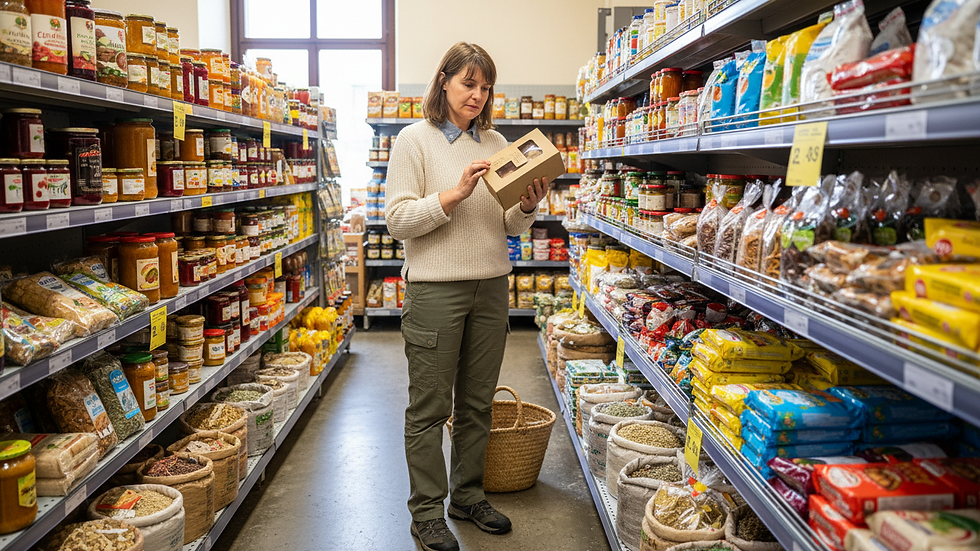
Image shows: Eye-level view of a traveller reading food labels in a small supermarket aisle.
Turn Your Grocery Haul Into a Travel Experience
The best part of grocery store tourism is that the meal is only half the story. The other half is where and how you eat it.
A supermarket picnic can turn an ordinary afternoon into a memory. Buy bread, cheese, fruit, local biscuits, and a drink, then take everything to a park. Sit near a fountain, by a lake, or on a quiet bench. No dress code. No service charge. No pressure to leave quickly.
A hotel-room tasting can be just as fun, especially after a long travel day. Lay everything out, open one item at a time, and rate your finds. If you are travelling with friends, make everyone choose one item based only on packaging. The results can be brilliant, strange, or both.
Train journeys are another perfect setting. A local supermarket near a station often has portable meals that beat overpriced platform snacks. Pick up fruit, sandwiches, bottled drinks, and something sweet before boarding. Just avoid strong-smelling foods in enclosed spaces, especially on long rides.
If you are staying somewhere with a kitchenette, visit a neighbourhood store on your first day. Buy breakfast basics, local fruit, snacks, and one ingredient you have never cooked with before. Even a simple meal of eggs, bread, tomatoes, and a local sauce can feel special when the ingredients are new to you.
You can also turn it into a souvenir hunt. Instead of another fridge magnet, bring back sealed spice mixes, tea, chocolate, coffee sachets, regional biscuits, or candy for friends. Check customs rules before packing food across borders, especially for fresh produce, meat, dairy, seeds, and homemade items.
The main rule is to stay open. Not every item will be a winner. Some flavours will confuse you. Some textures may not be your thing. That is fine. The point is not to love everything. The point is to taste a place from a different angle.
A Few Easy Rules for Being a Better Grocery Store Tourist
This trend is fun, but it should still be respectful. These are working shops, not theme parks.
Do not block aisles while filming. Do not touch fresh food unless you plan to buy it or the store allows handling. Do not film staff or other shoppers without permission. If a shop has signs asking people not to take photos, put the phone away.
Try not to judge unfamiliar foods for laughs. It is fine to be surprised, but someone’s everyday snack is not a punchline. The best creators handle this well. They react honestly, but with warmth. They say, “This is new to me,” not “This is weird.”
Support smaller shops when you can. Big convenience chains are easy and fun, but corner stores, bakeries, local supermarkets, and family-run provision shops often have more regional personality. A short chat with a shopkeeper can lead to the best snack of the trip.
Also, bring a reusable bag. Many places charge for bags, and carrying one is easier anyway.
Dishes in this image: Overhead view of a simple picnic made from supermarket food on a park bench
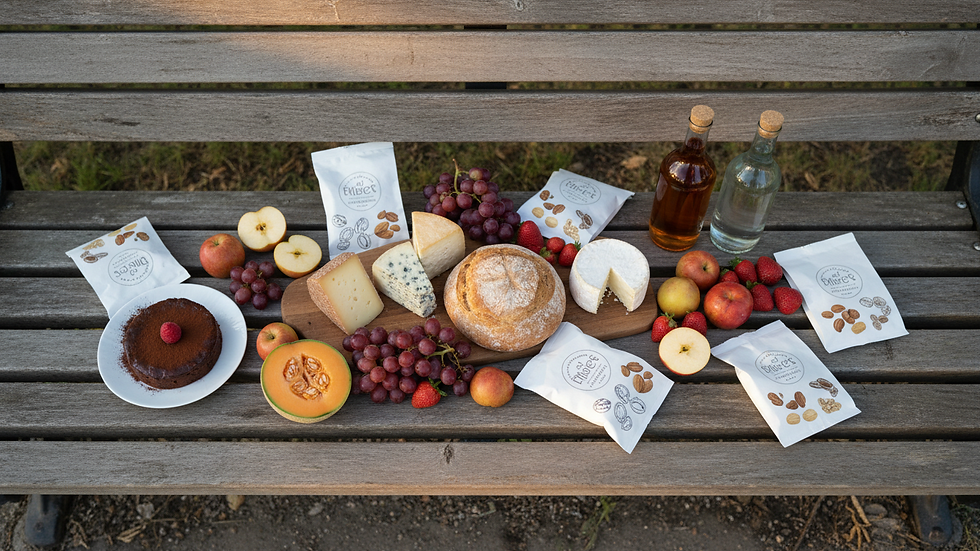
Image shows: Overhead view of a simple picnic made from supermarket food on a park bench.
Give the Supermarket Aisle a Place on Your Itinerary
Grocery store tourism is popular because it makes travel feel playful again. It invites you to follow your curiosity, spend less, eat more casually, and notice the small details that shape daily life in a place.
So on your next trip, save one meal for a supermarket, corner shop, or 7-Eleven. Walk the aisles slowly. Pick one safe item, one local favourite, and one complete mystery. Eat them somewhere simple. Take notes if you like. Share the good finds with a friend.
A city’s food story is not only written in its famous restaurants. Sometimes, it is sitting under bright lights in aisle three, next to the crisps.
Explore More City Food Guides
Continue exploring Indian food, landmarks, and local markets: Pune · Surat · Srinagar · Leh · Port Blair


Comments